






身体を読み、狙いを定め、変化を確かめる。
Assess the body. Define the aim. Check the change.
同じ「肩こり」「腰痛」であっても、身体に起きていることは一人ひとり異なります。どの動きが制限され、どこに緊張があり、離れた部位がどのように影響し合っているのか。
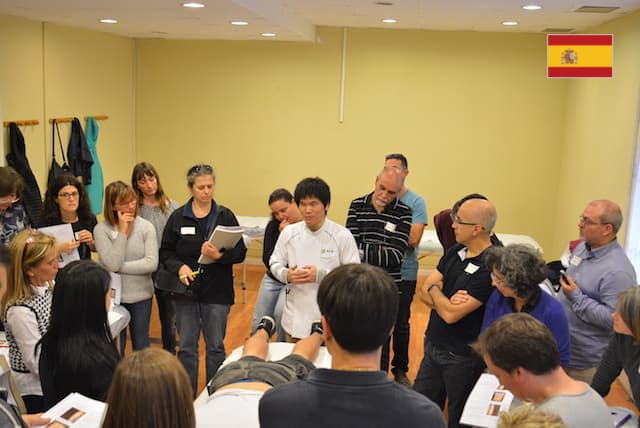
整動鍼は、身体の動きとツボの関係に着目した鍼灸の体系です。患者さんの訴えを出発点に、動作や触診から身体の状態を捉え、起こしたい変化に合わせてツボを選びます。そして、その変化が実際に起きたかを確かめます。
身体を見る視点、選穴の根拠、施術を確かめる手がかりを、一つの体系として学べること。 それが、整動鍼の大きな魅力です。
People who describe the same complaint—such as shoulder stiffness or lower back pain—may have very different physical findings. Which movements are restricted? Where is tension present? How might distant parts of the body influence one another?
SEIDO Acupuncture is a system of acupuncture focused on the relationship between movement and acupuncture points. It begins with the patient’s concerns, uses movement assessment and palpation to examine the body, and selects points according to the change the practitioner aims to make. The response is then checked against that aim.
Its central value is an integrated framework for assessing the body, selecting points, and evaluating the response to treatment.
身体の状態から、施術の狙いを考える
From Physical Findings to a Treatment Aim
整動鍼では、症状名に加えて、身体に現れている具体的な状態を重視します。
たとえば、同じ腰痛でも、前に曲げにくいのか、後ろに反らしにくいのか、動き始めに痛むのかによって、観察すべきことが変わります。患者さんが感じている困りごとと、施術者が捉えた身体の状態を照らし合わせ、どのような変化を目指すかを考えます。
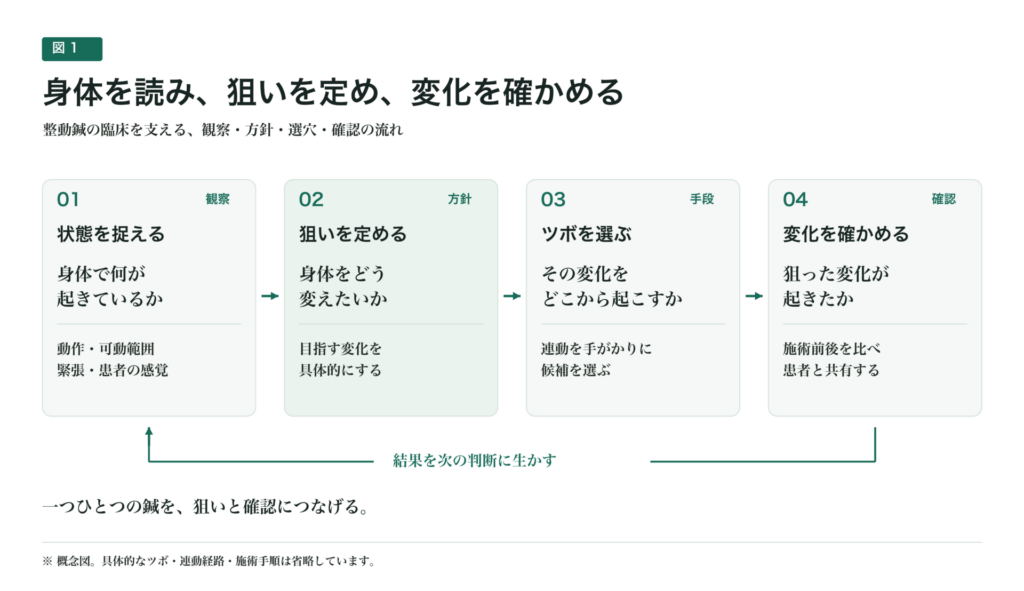
臨床の基本となるのは、次の流れです。
-
状態を捉える — 身体で何が起きているかを観察する。
-
狙いを定める — 身体をどのように変えたいかを具体的にする。
-
ツボを選ぶ — 連動を手がかりに、狙いに合う候補を選ぶ。
-
変化を確かめる — 施術前後を比べ、次の判断に生かす。
この流れによって、一つひとつの鍼に目的を持たせ、結果を振り返ることができます。
SEIDO Acupuncture considers specific physical findings alongside the patient’s description of symptoms.
For example, lower back pain may occur when bending forward, leaning backward, or beginning to move. Each situation calls for a different assessment. The practitioner relates these findings to the patient’s experience and identifies the change to aim for.
The clinical process follows four steps:
-
Assess — Observe what is happening in the body.
-
Define the aim — Specify the change to work toward.
-
Select points — Use movement relationships to identify suitable options.
-
Reassess — Compare the findings before and after treatment, then use the response to guide the next decision.
This process gives each intervention a clear purpose and provides a basis for reviewing its outcome.
独自の連動体系で、全身の関係を具体的に捉える
A Distinctive Framework for Understanding Movement Relationships
身体は、複数の筋肉や関節が協調して動いています。整動鍼では、このつながりを「連動」と捉え、ツボへの働きかけによって生じる変化との関係を整理しています。
経絡や証を主軸とする選穴、局所の筋肉や圧痛点を主な手がかりとする選穴に対して、整動鍼では、動きや緊張の変化とツボとの対応関係を判断の軸に据えます。既存の鍼灸で使われるツボについても、動きとの関係から、その役割を捉え直します。
特徴的なのは、こうした関係を「連動図」として具体化していることです。どこを観察し、どこから働きかけ、どこに変化を期待するかを考えるための地図になります。
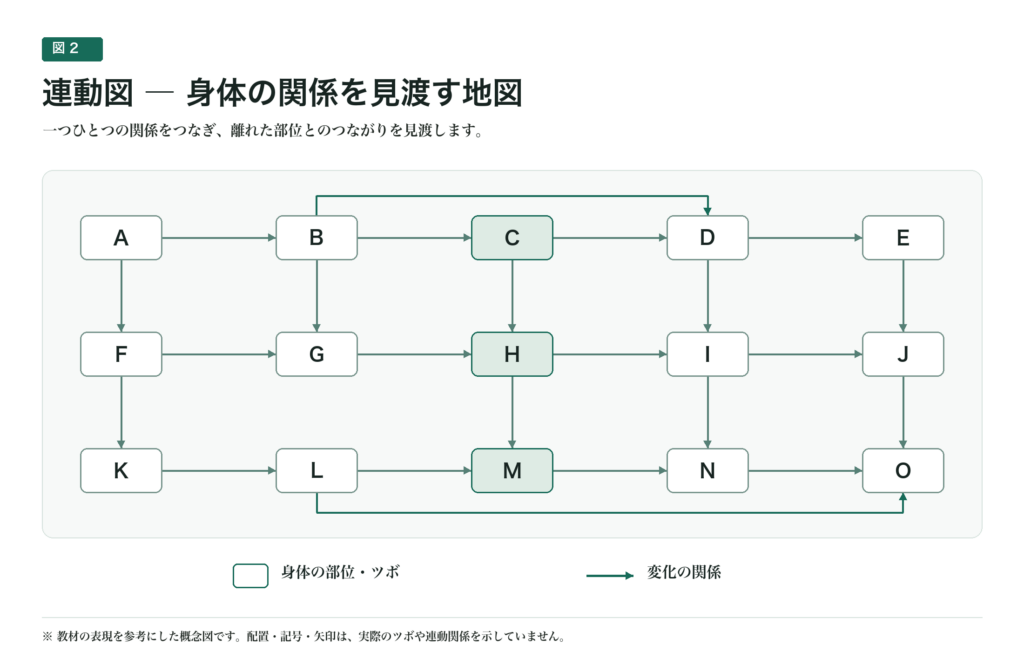
学びが進むと、個々の対応関係から、変化が及ぶ範囲や施術の順序へと理解を広げていきます。全身のつながりを、実際の選穴に使える情報へ落とし込んでいることが、整動鍼の独自性を支えています。
Movement depends on coordination among muscles and joints. SEIDO Acupuncture uses the concept of rendo, or coordinated movement relationships, to organize how interventions at acupuncture points relate to changes elsewhere in the body.
Where some approaches primarily use meridian patterns, local muscle findings, or tender points to guide point selection, SEIDO Acupuncture places the relationship between points and changes in movement or tension at the center of its clinical reasoning. It also examines familiar acupuncture points from this perspective.
These relationships are organized into rendo maps. The maps help practitioners identify where to assess, where to intervene, and where to look for a response.
As learning progresses, individual relationships become part of a broader understanding of how changes may extend through the body and how treatment can be sequenced. Turning whole-body relationships into specific information for point selection is a defining feature of SEIDO Acupuncture.
その場の変化を、患者さんと共有する
Assessing and Sharing Changes During Treatment
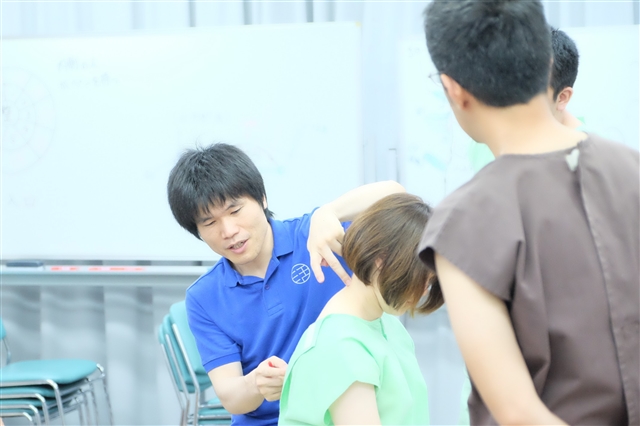
整動鍼では、施術中に現れる変化を重視します。動作のしやすさ、可動範囲、触診で捉える緊張、患者さん自身の感覚などを、施術前後で確かめます。
変化がその場で捉えられることには、二つの価値があります。患者さんは身体の違いを実感しやすくなり、施術者は狙いと結果が合っていたかを検討できます。
反応が十分でないときにも、身体の見立て、選穴、取穴、刺激の与え方を振り返る手がかりになります。継続的な施術が必要な場合も、毎回の変化を次の判断につなげていきます。
変化を確かめること自体が、臨床の精度を高める学習になります。
SEIDO Acupuncture emphasizes changes that can be assessed during a treatment session. These may include ease of movement, range of motion, tension detected through palpation, and the patient’s own experience.
An observable change has value for both patient and practitioner. It gives the patient a concrete point of reference and allows the practitioner to consider whether the response matches the treatment aim.
When the response is limited, reassessment can prompt a review of the initial findings, point selection, point location, or stimulation. When ongoing care is needed, changes from each session help inform subsequent decisions.
Checking the response is also a way to refine clinical judgment and technique.
必要な力を残し、しなやかに動ける身体を目指す
Supporting Movement While Preserving Necessary Tension
身体を支え、力を発揮するためには、適度な筋緊張が必要です。整動鍼では、過剰な緊張を調整するとともに、動作に必要な緊張を保つことを重視します。
目指すのは、身体が状況に応じて動けることです。関節の動き、身体の支えやすさ、力の発揮、動作のつながりなどを見ながら、調整の方向を考えます。
柔らかさと、身体を使えることの両方を考える。 この視点は、日常動作からスポーツや演奏などの活動まで、身体の働きを捉えるうえで役立ちます。
Appropriate muscle tension is necessary for support and force production. SEIDO Acupuncture aims to address excessive tension while preserving the tension needed for movement.
The goal is a body that can respond to the demands placed on it. Joint movement, support, force production, and coordination all inform the direction of treatment.
The focus is on both suppleness and the ability to use the body. This perspective is relevant when assessing everyday activities as well as the physical demands of sport and musical performance.
少数の鍼で、一つひとつの反応を追う
Fewer Needles, Careful Attention to Each Response
整動鍼は、少数の鍼と比較的弱い刺激を志向します。身体の状態と施術の狙いに合わせて働きかけを絞り込み、その反応を確かめながら進めます。
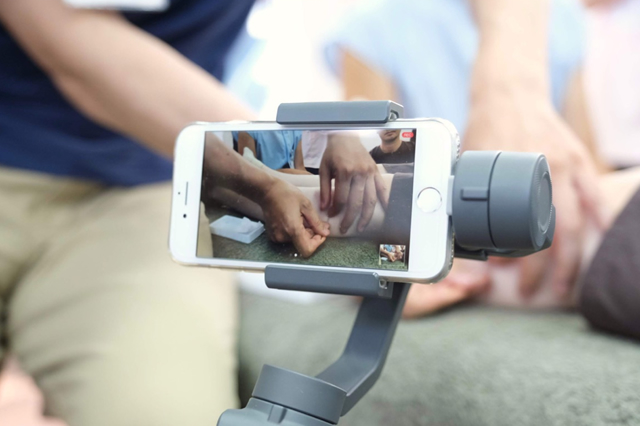
この方法には、どの働きかけの後に、どのような変化が起きたかを追いやすいという利点があります。施術の記録も、次回の判断や技術の振り返りに役立つ情報になります。
施術を続けるか、次の働きかけが必要か、そこで終えるか。その判断でも、身体の反応と目指していた変化を重視します。
SEIDO Acupuncture favors a small number of needles and relatively gentle stimulation. Interventions are selected according to the physical findings and treatment aim, with attention to the response at each stage.
This makes it easier to track which changes follow each intervention. Treatment records can then provide useful information for future sessions and for reviewing technique.
Decisions about whether to continue, make another intervention, or conclude the session are guided by the body’s response and the intended change.
技術を共有できる具体性と、再現性の追求
Clear Reference Points and the Pursuit of Reproducibility
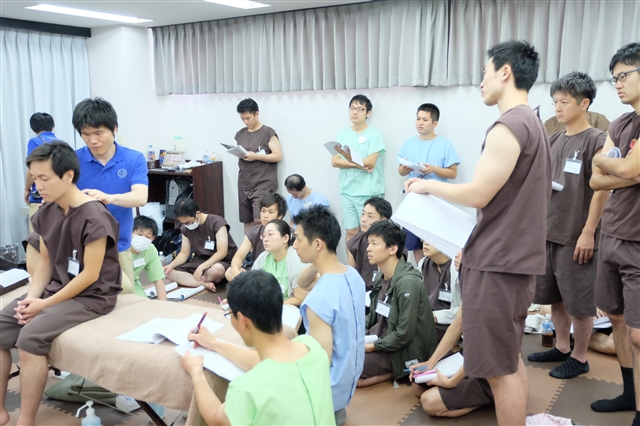
整動鍼では、ツボの位置、取穴の目安、身体の確認方法を具体的に示しています。連動図と共通の基準を用いることで、学習者同士が技術や結果を照らし合わせやすくなります。
期待した変化が得られなかったとき、何を見直すべきか。ほかの施術者が経験した変化を、自分の臨床でどう確かめるか。具体的な基準があることで、経験を共有し、検討を重ねる土台が生まれます。
個人の経験を、仲間とともに学べる知識へとつなげること。 再現性を追求する姿勢は、整動鍼の教育上の強みです。
SEIDO Acupuncture provides specific guidance on point locations, anatomical landmarks, and assessment methods. Shared maps and reference points make it easier for learners to compare techniques and findings.
These standards support practical questions: What should be reviewed when an expected response does not occur? How can another practitioner’s observations be examined in one’s own practice?
Making individual experience available for shared learning is an important educational strength. Clear reference points support the ongoing pursuit of reproducibility.
基本の関係から、全身を考える力へ
From Individual Relationships to Whole-Body Reasoning
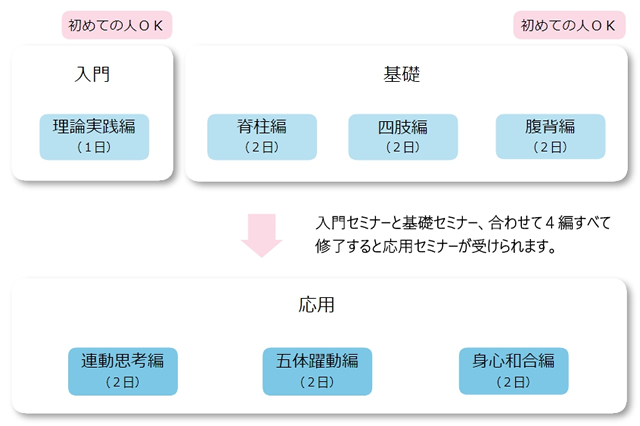
学習は、個々のツボと身体の変化の関係を理解し、実際に確かめることから始まります。さらに学びを深めることで、複数の連動を結びつけ、身体全体の状態を考えながら施術を組み立てていきます。
対象は運動器にとどまらず、呼吸や腹部・背部の状態、心身の関係へと広がります。各領域を学ぶ際にも、患者さんの訴えと、動作や触診で捉えられる変化を結びつける姿勢を大切にします。
すでに学んだ鍼灸の知識や経験に、身体を読み解くための新しい判断軸を加えることができます。
Learning begins with understanding and checking the relationship between individual points and physical changes. Further study connects these relationships, helping practitioners plan treatment with a broader view of the body.
The curriculum extends beyond musculoskeletal topics to breathing, abdominal and back findings, and the relationship between physical and subjective experience. Across these areas, the emphasis remains on connecting the patient’s concerns with changes that can be assessed through movement and palpation.
This offers an additional framework for interpreting the body alongside the acupuncture knowledge and experience practitioners already have.
整動鍼を学ぶ価値
What You Gain from Studying SEIDO Acupuncture
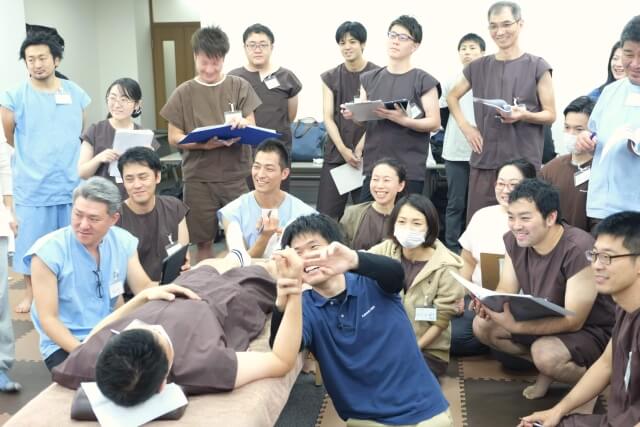
整動鍼では、連動の知識とともに、それを臨床で使い、結果を確かめるための視点を学びます。
-
身体の状態を、動きと緊張の関係から捉える。
-
起こしたい変化に合わせて、ツボを選ぶ。
-
施術前後の変化を確かめ、次の判断に生かす。
-
共通の基準をもとに、技術と経験を共有する。
身体を見る視点を増やし、一つひとつの鍼の狙いを明確にする。 整動鍼は、そのための理論と実践を学ぶ機会を提供します。
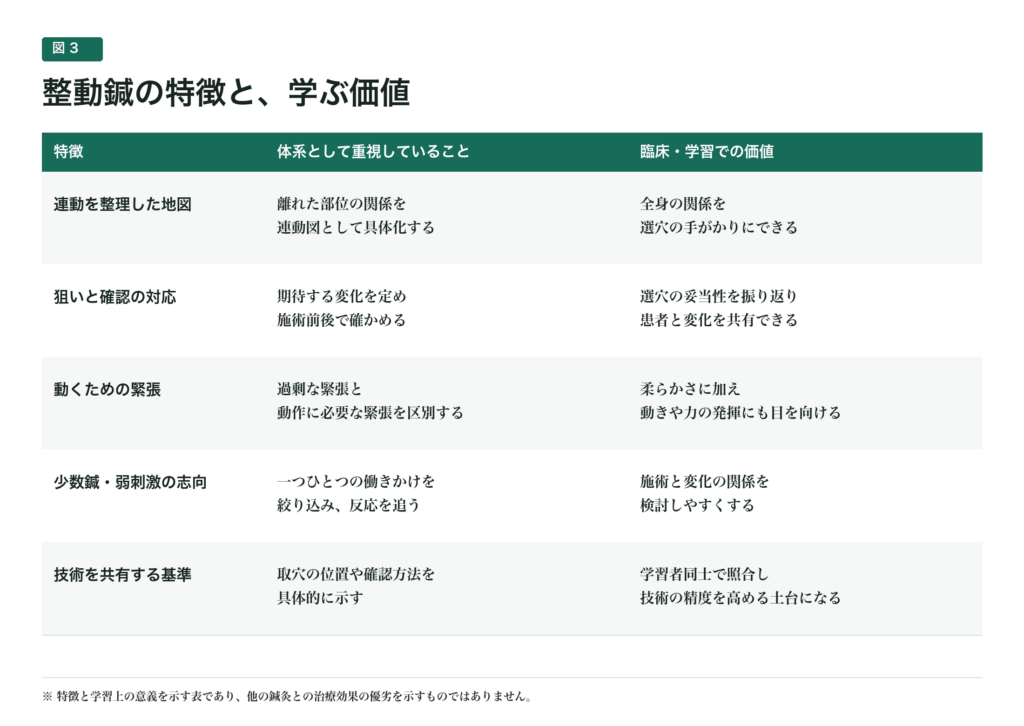
Studying SEIDO Acupuncture combines knowledge of movement relationships with ways to apply that knowledge and evaluate the response.
-
Assess the body through movement and tension.
-
Select points according to the intended change.
-
Reassess after treatment and use the findings to guide the next decision.
-
Share techniques and experience using common reference points.
Broaden the way you assess the body and clarify the purpose of each intervention. SEIDO Acupuncture brings theory and practice together in support of these goals.
活法(古武術整体)との関係
The Connection with Kappo: Traditional Japanese Manual Therapy
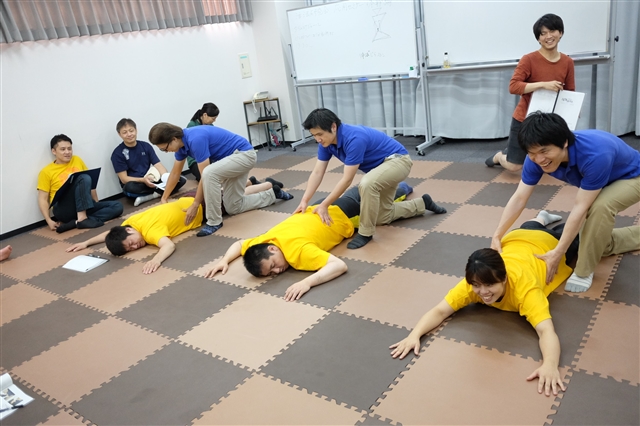
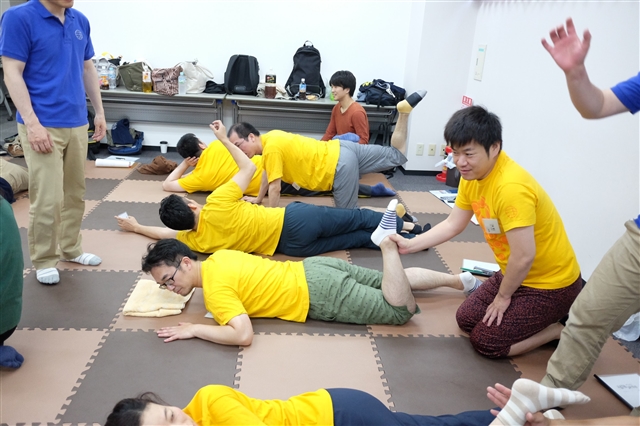
整動鍼の発想の原点には、活法があります。活法は、日本の武術に由来する身体調整の技術です。整動鍼は、その「動きを整える」という考え方から着想を得て生まれました。
受け継いでいるのは、身体を一つのつながりとして捉え、動きの中でバランスを考える視点です。身体の各部は互いに影響し合いながら働いています。その関係に着目し、無理なく動ける状態を目指すことが、整動鍼の身体観の土台となっています。
活法から得た着想をもとに、鍼によってどのような変化が起こるかを臨床で観察し、ツボと動きの関係を整理してきました。こうして、活法と共通する身体観を持ちながら、鍼で実践するための独自の連動体系へと発展してきたのが整動鍼です。
身体のつながりを読み、動ける状態へと整える。 活法から受け継いだこの姿勢が、整動鍼の理論と実践を支えています。
SEIDO Acupuncture was inspired by Kappo, a form of manual therapy rooted in Japanese martial traditions, and its approach to improving movement.
The shared perspective is to view the body as an interconnected whole and to consider balance in the context of movement. Different parts of the body influence one another as they work together. Understanding these relationships and supporting ease of movement form the foundation of SEIDO Acupuncture’s approach.
Building on insights from Kappo, SEIDO Acupuncture has developed through clinical observation of responses to needling and the organization of relationships between points and movement. It shares a perspective on the body with Kappo while providing its own framework for acupuncture practice.
Understanding how the body works together and supporting its ability to move remain central to both the theory and practice of SEIDO Acupuncture.
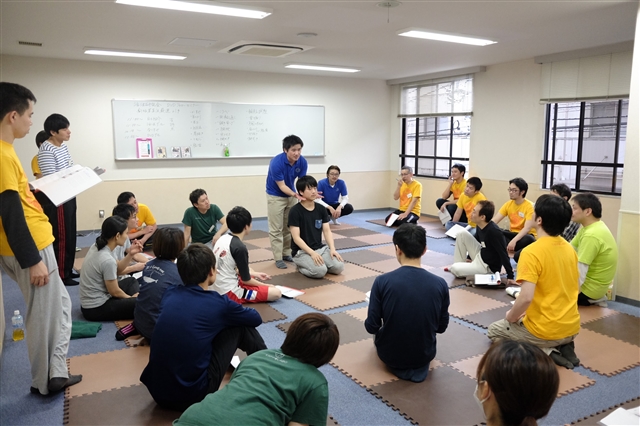
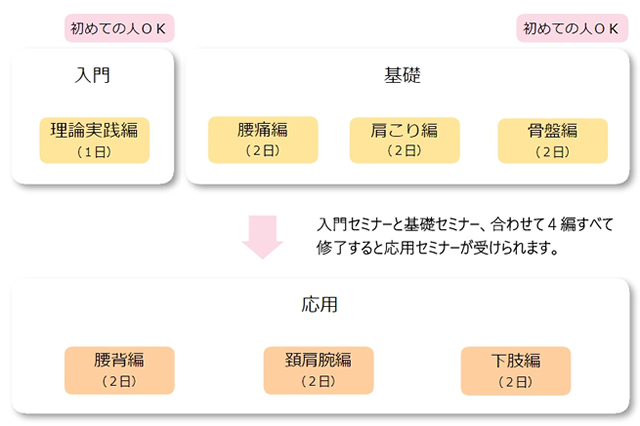
受講を検討されている方は、初受講のご案内とカリキュラムをご覧ください。考え方をさらに知りたい方には、整動鍼の理論もご紹介しています。
If you are considering a seminar, explore the introductory guide and curriculum. For a closer look at the underlying approach, visit the theory page.